
Shopping disclosure: Some links on this page are affiliate links. If you purchase through them, Boomers Discover may earn a commission at no extra cost to you. Unless stated otherwise, this is researched editorial content, not a hands-on product test.
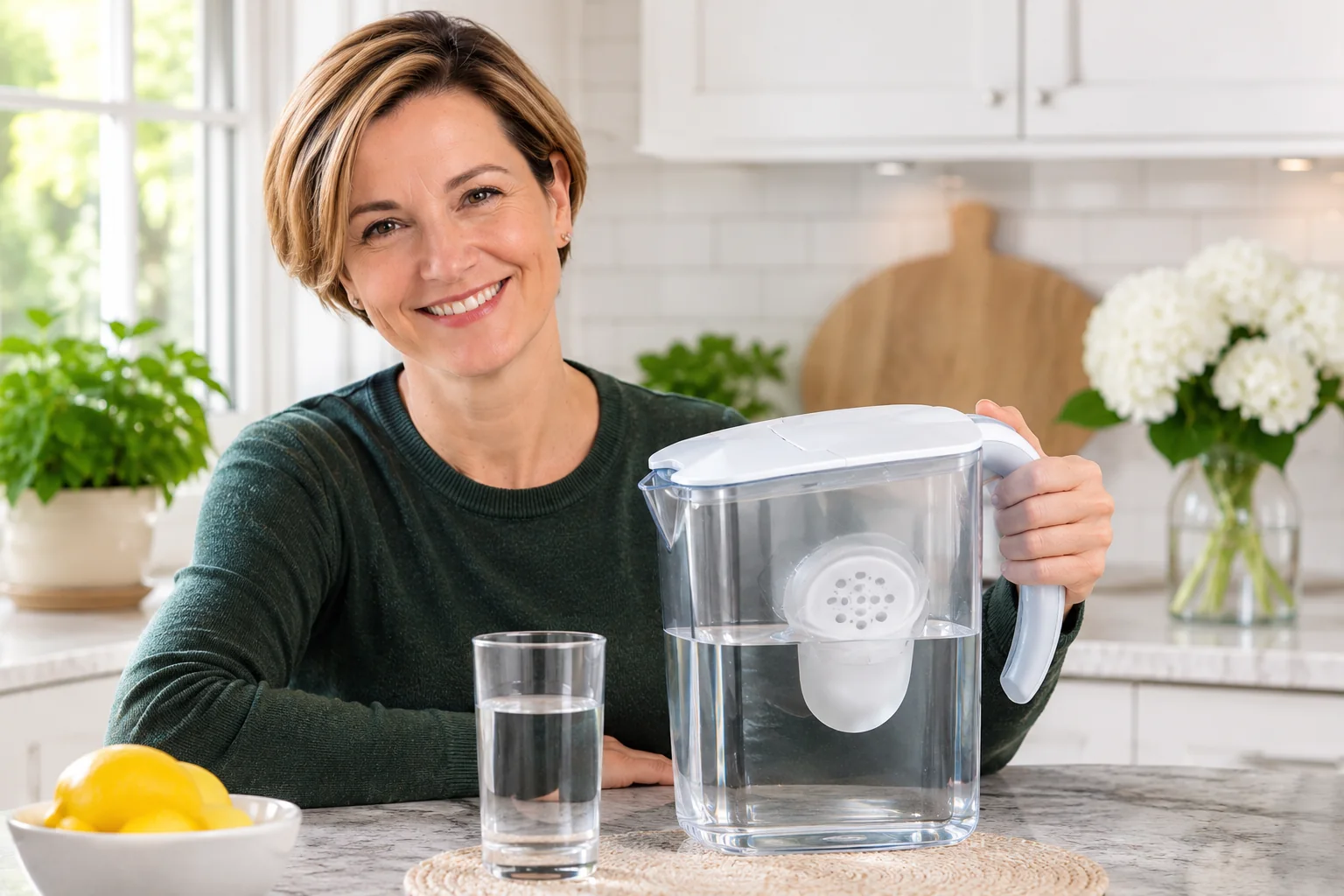
Why this pitcher is worth a closer look
If you're already filling a pitcher every day, it makes sense to ask what the filter is actually doing. Clearly Filtered positions its pitcher as a more comprehensive filtration option than a basic taste-and-odor pitcher. That makes it interesting, but it also makes checking the documentation more important. A water filter is a product where the details matter far more than a pretty countertop photograph.
The feature that matters most: documented performance
The manufacturer publishes a contaminant-reduction performance page. Before purchasing, read the current document for the specific pitcher and filter version. Note the substances tested, reduction figures, test conditions, and whether statements refer to third-party testing or certification. Broad marketing phrases should never replace that check. If you're concerned about a particular substance, verify that it appears by name in the supporting information.
How it fits into everyday life
Beyond filtration claims, a pitcher has to be easy to live with. Think about how often you'll refill it, where it will sit in your refrigerator, how much water your household uses, and whether the filtration speed works for you. A pitcher that's always empty at dinner is frustrating, even if its specifications look impressive. Measure your refrigerator shelf before ordering and check the stated capacity.
The cost you keep paying
Replacement filters are an ongoing expense. Calculate cost per gallon from the current filter price and the manufacturer's rated capacity rather than looking only at the initial pitcher price. Check whether replacement filters are readily available, whether a subscription is optional, and what the return policy covers. If you prefer to stock up, confirm shelf-life and storage instructions before buying extras.
Who might appreciate it
This pitcher may appeal to someone who wants to research a wider range of contaminant-reduction claims and is comfortable paying more for that approach. Someone whose main goal is improving chlorine taste might prefer to compare simpler, lower-cost filters first. The right choice depends on your local water and priorities, not on the most dramatic percentage in an advertisement.
My take
I like products that encourage us to ask better questions. With water filtration, the questions are specific: What is being reduced? How was that measured? What does it cost to keep using the filter? If the answers line up with your needs, the pitcher may be worth considering. Read our complete water filter pitcher buying guide before choosing.
What the published test sheet tells us
I appreciate when a company lets readers examine the details rather than relying on a giant percentage in an advertisement. Clearly Filtered publishes results by contaminant, along with test conditions and a rated filter capacity. Its performance page says the pitcher and replacement filter are certified by NSF to Standards 42 and 372, with additional laboratory testing for other reduction claims. Those are different levels of evidence, so I would read the actual table for the contaminants that matter to your household rather than assuming every claim carries the same certification.
Everyday usability matters too
Before choosing any pitcher, think about where it will live. A pitcher that is awkward to lift or too tall for your refrigerator may be less convenient than it looks. Consider how often you refill it, how quickly water filters, and whether other family members can use it comfortably. Replacement filters are part of the purchase, not an optional extra. If you prefer to have extras on hand, check the current filter-pack options and calculate what that means for your annual budget.
Who I think should compare this one
Clearly Filtered deserves a look from readers who want unusually detailed published contaminant testing and are willing to compare the ongoing filter cost. Someone whose main goal is simply improving the taste of already treated tap water may prefer a lower-cost option. If you are concerned about a particular contaminant, first check your water report or test results and then match those concerns to the exact performance data. For a step-by-step comparison, read how to choose a water filter pitcher.
Frequently asked questions
Does it make unsafe water drinkable?
Do not assume that. The manufacturer specifies municipally treated tap water and warns against use with microbiologically unsafe water.
How often is the filter replaced?
Follow the manufacturer's current instructions and rated capacity. Your household's usage matters.
Where can I verify the claims?
Start with the published performance data sheet.
Bottom line
Review the current performance information, check the total replacement-filter cost, and confirm the pitcher fits your household. View the featured Clearly Filtered pitcher on Amazon.